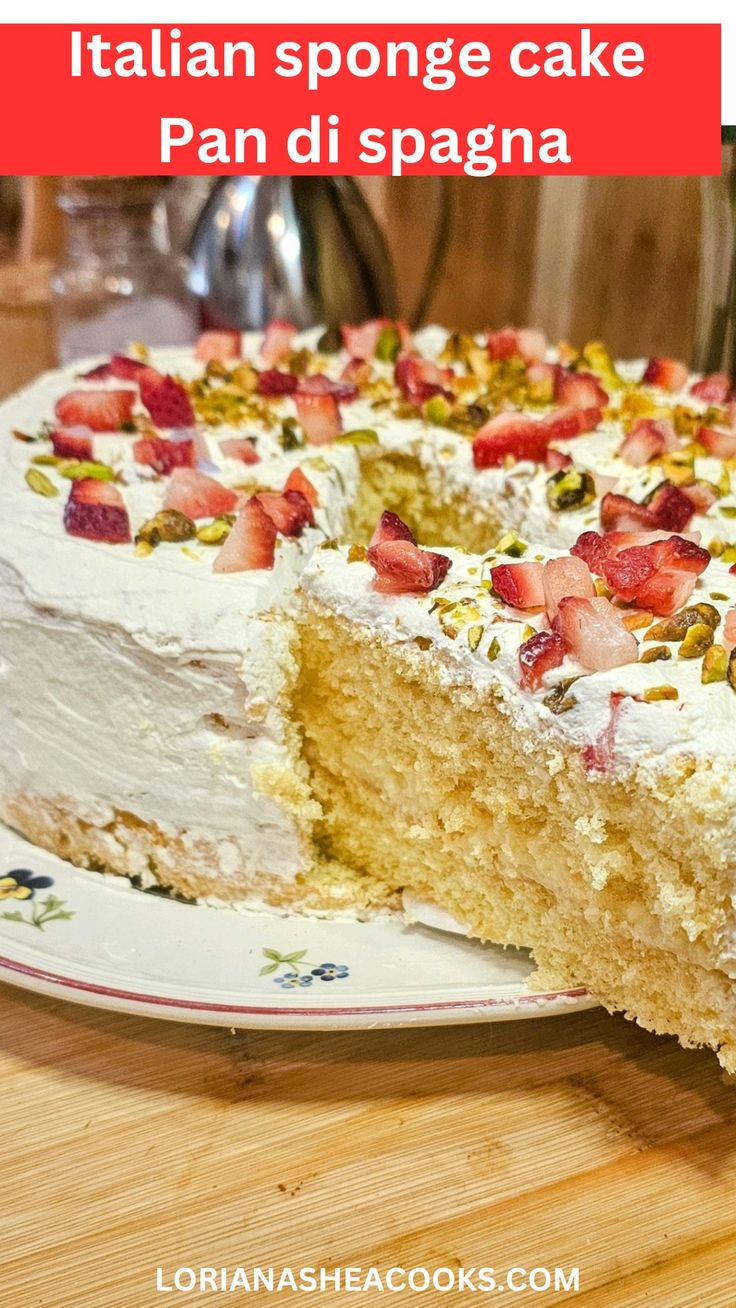
Classic vs. Italian Lemon Sponge Cake: Which Recipe Wins?
Few desserts evoke the delightful brightness of sunshine quite like a perfectly baked lemon sponge cake. Its delicate texture and invigorating citrus burst make it a universally loved treat, perfect for any occasion, from a casual afternoon tea to a grand celebration. But as with many beloved recipes, variations abound, each offering a unique charm. Today, we're diving into a delicious debate: the classic American-style lemon sponge cake versus its elegant Italian counterpart. Which recipe truly wins the hearts (and palates) of lemon lovers?
The Allure of Lemon Sponge Cake: A Timeless Treat
Before we delve into the specifics, let's appreciate the magic of the lemon sponge cake itself. What makes it so enduringly popular? It's the harmonious balance: a light, airy crumb that melts in your mouth, coupled with the refreshing tang of lemon that awakens the senses. It’s a versatile canvas, equally delicious served simply with a dusting of sugar or layered with creams and fruits. The quest for the ultimate lemon sponge is a culinary journey many embark on, seeking that perfect blend of moisture, lightness, and vibrant flavor. Whether you're a seasoned baker or just starting, mastering a great lemon sponge recipe is a rewarding endeavor that promises delicious returns. For more tips on achieving that ideal texture and taste, check out our guide on Unlock a Moist & Flavorful Lemon Sponge: Expert Tips & Tricks.
Decoding the Classic American Lemon Sponge Cake
Our journey begins with what we'll call the "Classic American" lemon sponge cake, often found in treasured family cookbooks and community collections, much like the one unearthed from an old Nebraska 4-H recipe. This style typically emphasizes an incredibly light and airy texture, achieved through a meticulous method of separating eggs.
The hallmark of this classic approach is the careful preparation of the egg whites. They are beaten with cream of tartar until stiff, glossy peaks form – a crucial step that incorporates significant air, providing the cake's signature lift and delicate structure. The yolks, beaten separately with sugar, are then combined with dry ingredients and often cold water, before being gently folded into the stiff egg whites. This folding technique is paramount; it ensures the air captured in the whites remains, resulting in that wonderfully soft, pillowy crumb.
In this style, lemon flavor typically comes from fresh lemon juice added directly to the batter. The original Nebraska recipe suggests a generous 3 tablespoons, with a note to even add more or grate in some lemon peel for an intensified citrus kick – a testament to how much lemon is desired in this simple, elegant cake. Baked in an ungreased tube pan, it cools inverted, further contributing to its light, tender structure. The result is a wonderfully moist cake, often served with a simple drizzle of lemon-infused powdered sugar icing, allowing the pure flavor and texture of the sponge to shine through without heavy distractions.
Key Characteristics:
- Method: Separated eggs (whites beaten to stiff peaks, yolks and dry ingredients folded in).
- Texture: Exceptionally light, airy, and moist.
- Flavor Source: Primarily lemon juice in the batter.
- Equipment: Often an ungreased tube pan.
- Typical Finish: Simple powdered sugar glaze or dusting.
This classic method, while requiring a bit more attention to technique, yields a truly exquisite lemon sponge cake that stands as a testament to traditional baking.
Embracing Italian Elegance: Nonna's Lemon Sponge Cake
Across the Atlantic, Italian baking offers a different, yet equally enchanting, take on the lemon sponge cake, exemplified by "Nonna's Lemon Sponge Cake." This version often prioritizes a more straightforward approach without sacrificing flavor or quality, making it wonderfully accessible for home bakers. It champions a concept of "Italian simplicity" – light, fragrant, and incredibly easy to make.
A distinctive feature of many Italian sponge cakes, including this lemon variation, is the use of oil and water instead of butter or milk. This not only makes the cake naturally lactose-free, but it also contributes to an incredibly soft and moist crumb that remains tender for days. The method is often more of an "all-in-one" style: whole eggs, sugar, and crucially, lemon zest are beaten together until pale and fluffy. Oil and water are then incorporated, followed by the dry ingredients, including baking powder, which acts as the primary leavening agent alongside the aerated eggs.
Where this Italian lemon sponge cake truly sets itself apart is its presentation and flavor profile. Lemon zest in the batter infuses the cake with fragrant, aromatic oils, providing a different dimension of lemon flavor compared to juice alone. But the real showstopper is often the luscious, egg-free lemon cream filling. Crafted from fresh lemon and orange juice, sugar, and cornstarch, this vibrant cream provides a beautiful contrast in texture and a delightful boost of citrus tang. The cake is then sliced, filled, dusted with powdered sugar, and often garnished with fresh lemon slices, transforming a simple cake into a sophisticated dessert.
Key Characteristics:
- Method: All-in-one (whole eggs, sugar, liquids, then dry ingredients).
- Texture: Soft, wonderfully moist, and slightly dense due to oil.
- Flavor Source: Lemon zest in cake, lemon/orange cream filling.
- Fat Type: Vegetable oil (lactose-free).
- Typical Finish: Filled with lemon cream, dusted with powdered sugar.
This Italian approach delivers a delightful lemon sponge cake that is both flavorful and impressively versatile, easily adaptable with additions like crushed nuts or variations in the cream's tanginess.
Side-by-Side: Key Differences and Flavor Profiles
Now that we've explored both contenders, let's lay out their fundamental distinctions to understand how they stack up against each other:
- Methodology & Structure:
- Classic: Employs the labor-intensive but rewarding technique of separating eggs, whipping whites to stiff peaks, then folding them into the yolk mixture. This creates a remarkably airy, delicate, and often taller cake. The structure is built primarily on aerated egg whites.
- Italian: Often uses an all-in-one method with whole eggs, simplifying the process. The cake's softness and moisture come from the combination of vegetable oil and water, with baking powder providing reliable lift alongside the beaten eggs. The texture is soft, moist, and slightly more compact than the classic.
- Fat & Moisture Source:
- Classic: Typically no added fat beyond the egg yolks. Moisture comes from liquids like cold water and eggs.
- Italian: Utilizes vegetable oil, contributing to a unique moistness and a longer shelf life, while also making the cake naturally lactose-free.
- Lemon Incorporation:
- Classic: Focuses on lemon juice in the batter for direct, zesty flavor.
- Italian: Incorporates fragrant lemon zest into the batter for aromatic notes, and then features a separate, luscious lemon-orange cream filling for a multi-layered citrus experience.
- Leavening:
- Classic: Relies heavily on the mechanical aeration of egg whites and baking powder. Cream of tartar stabilizes the egg whites.
- Italian: Primarily uses baking powder, supported by the aeration of whole eggs.
- Presentation & Serving:
- Classic: Often a standalone cake, perhaps with a simple glaze, letting its pure texture and subtle lemon flavor shine.
- Italian: Designed as a complete dessert with its integral lemon cream filling, offering a more complex flavor and texture experience in each slice.
The difference in texture is perhaps the most striking: the classic is feather-light and almost ethereal, while the Italian version is soft, tender, and beautifully moist. Both are undeniably delicious, but they offer distinct sensory experiences.
Choosing Your Champion: Which Lemon Sponge Cake Wins?
So, which lemon sponge cake truly wins the battle? The honest answer is: it depends on what you're looking for!
- Choose the Classic if... you crave an exceptionally light, cloud-like texture that melts on the tongue. If you appreciate the art of traditional sponge baking and enjoy a cake where the pure, unadorned lemon flavor and delicate crumb are the stars, this is your winner. It’s perfect for those who enjoy a less dense cake, perhaps topped with fresh berries or a light whipped cream, letting the sponge truly shine.
- Choose the Italian if... you desire a wonderfully soft, moist cake that is effortlessly flavorful and naturally lactose-free. If you're looking for a complete dessert that features a vibrant, creamy lemon filling and offers a slightly simpler baking process, Nonna's recipe is your champion. Its robust flavor profile from both zest and cream makes it a fantastic choice for celebrations or when you want a self-contained, show-stopping dessert. For more on accessible recipes, see our Easy Lemon Sponge Cake: Perfect for Celebrations & Teatime article.
For the avid baker, there's no need to choose just one. Both recipes offer unique joys and baking experiences. The classic provides a lesson in technique and a reward of unparalleled lightness, while the Italian offers a pathway to a delightfully moist and flavorful cake with a fantastic filling, perfect for a wider range of dietary needs.
Ultimately, both the classic American and the Italian lemon sponge cake recipes are winners in their own right. They stand as testaments to the enduring appeal of this citrusy dessert, each bringing a distinct character to the table. Whether you prefer the ethereal lightness of a classic sponge or the tender, cream-filled indulgence of an Italian one, a world of sunny, lemony delight awaits your kitchen. Why not try both and decide for yourself?
